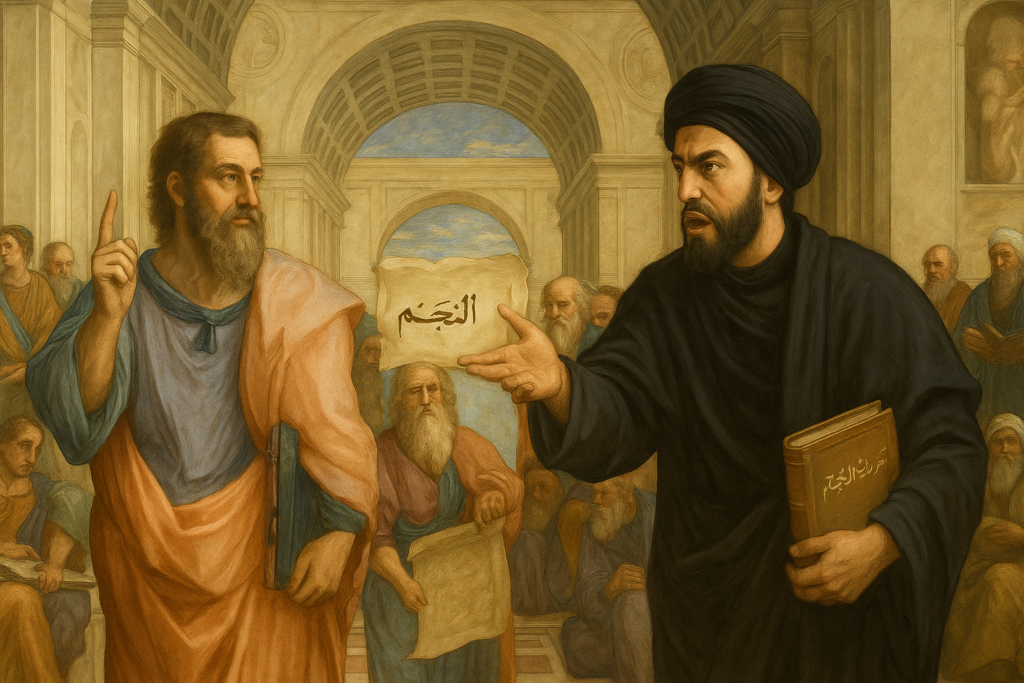
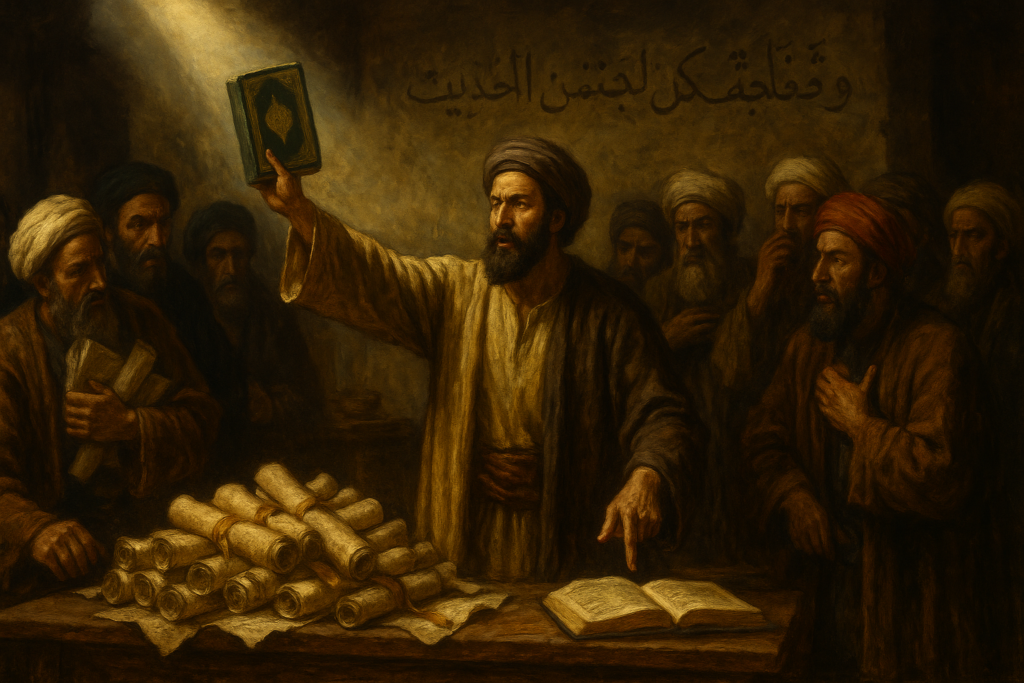
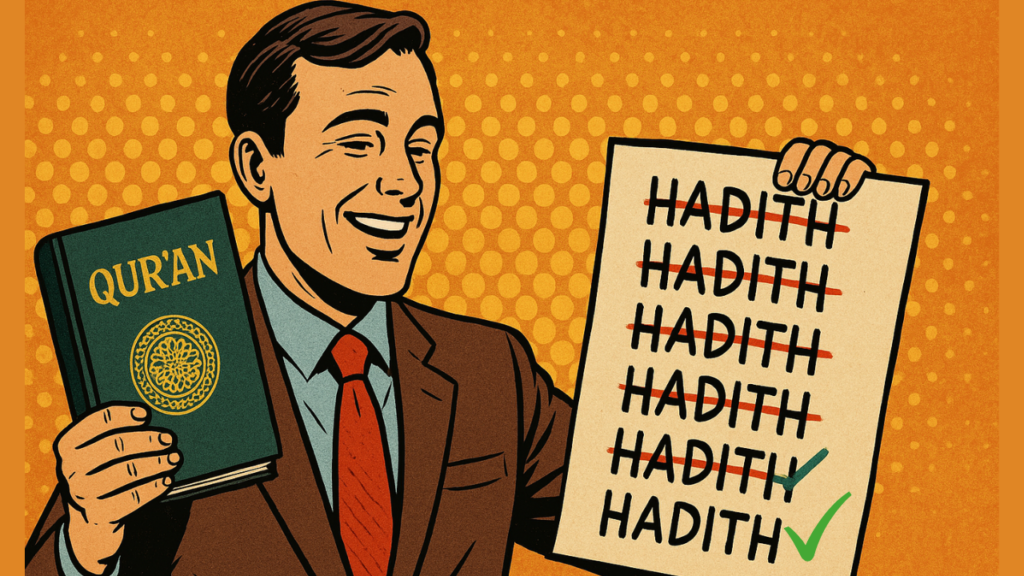
A rigorous examination of traditional Islamic narratives through historical criticism, philosophical analysis, and the Quranic mandate. Questioning isnād-based methodology and mainstream assumptions of authenticity.
ARCHIVE & CRITICAL EXAMINATION
This article explores Quranic Epistemology and its principle of verification, contrasting the Quran’s evidence-based method of truth with hadith narrator grading and biographical authority in determining what should be accepted or rejected.
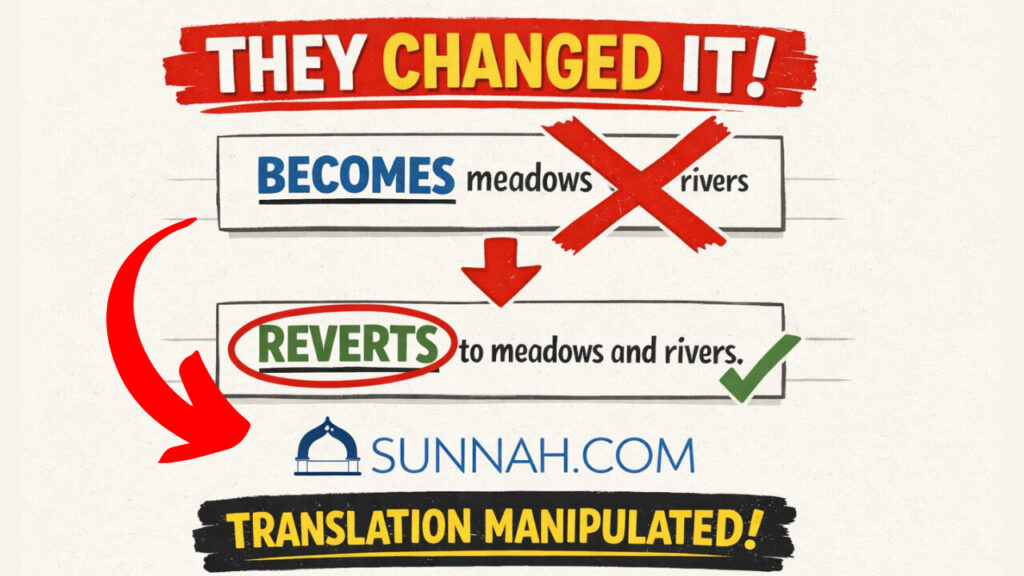
The "green Arabia hadith" (Sahih Muslim 157b) was likely fabricated in the 8th century under Umayyad rule to justify land seizures. Sunnah.com secretly changed its translation from "becomes" to "reverts" after IERA's "Forbidden Prophecies" promoted it as a miracle.
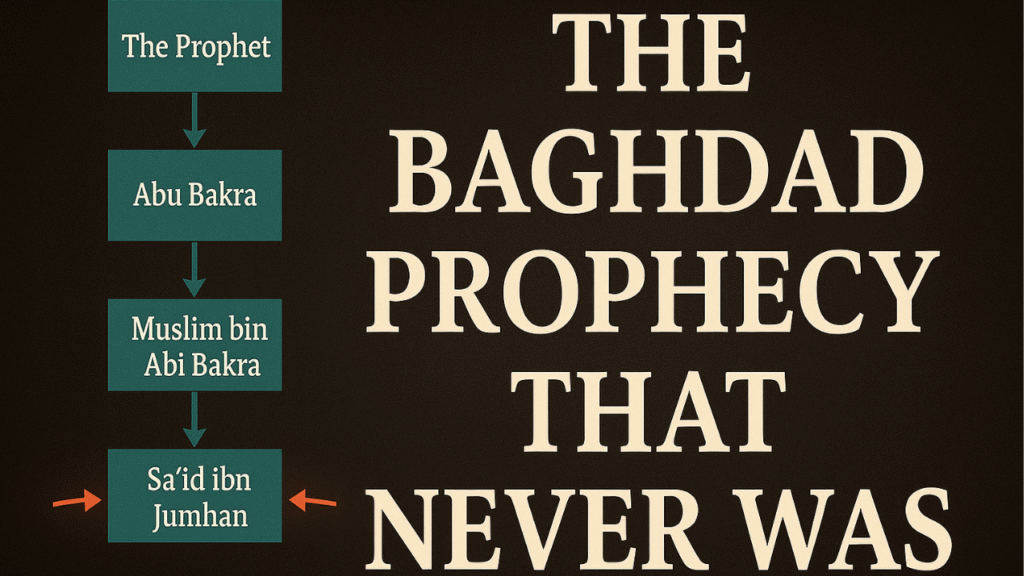
A widely-cited hadith claiming to predict the Mongol invasion of Baghdad was actually fabricated by Basran narrator Sa'id ibn Jumhan, who transformed his city's traumatic experience with Kharijite attacks into false prophecy, repackaging recent history as divine revelation.
A shocking early Sunni tafsīr claimed the Prophet Muhammad would sit beside God on His Throne. Defended by literalists and condemned by others, this “Throne narration” blurred divine-human boundaries, echoing Christian errors and undermining Islam’s central doctrine of God’s absolute transcendence.
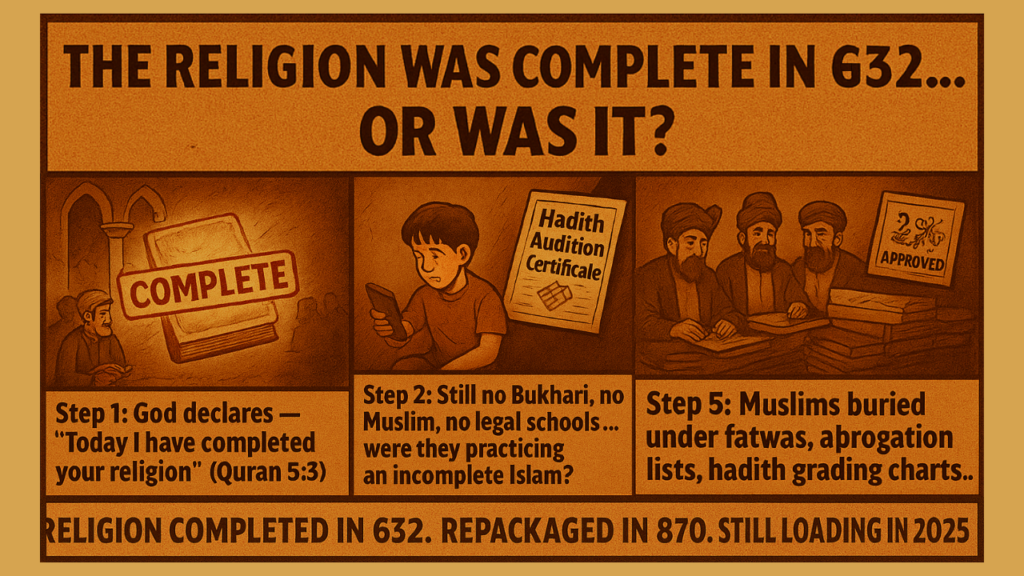
If God declared the religion complete in 5:3, later inventions like hadith compilations, rijāl criticism, naskh, tafsīr, madhhabs, and fatwas are unnecessary. Either God’s word is true, or centuries-later human constructs falsely claim divine authority.
The “Judge’s Reward” hadith appears only after Malik’s death, suggesting late fabrication. Its Medinan transmitters were judges who benefited from its message, likely creating it to justify ijtihad and shield juristic errors with divine approval.
This article critiques the doctrine of naskh (abrogation) in Sunni Islam, highlighting contradictory lists of abrogated verses, exposing scholarly disagreement, and showing how this undermines certainty, coherence, and Quranic guidance.
This blog applies Wittgenstein’s “beetle in the box” critique to hadith science, exposing how assessments of honesty, memory, precision, and piety rely on unverifiable private states.
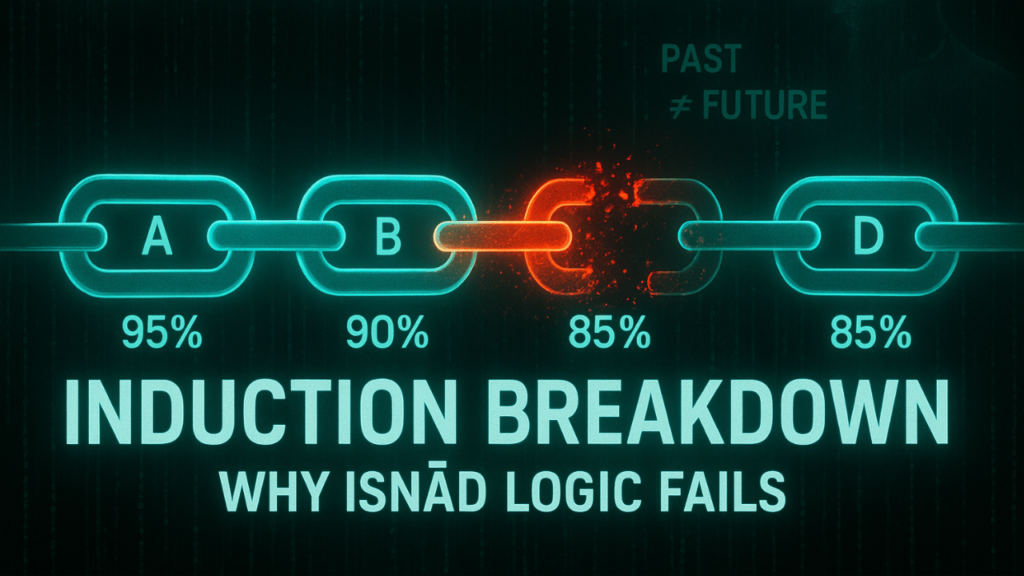
Hadith sciences rest on inductive leaps. which is simply assuming past reliability guarantees future truth. But as Hume showed, this logic collapses. Chains of narration aren’t math equations; they’re fragile human memories, easily distorted by context, politics, and bias.
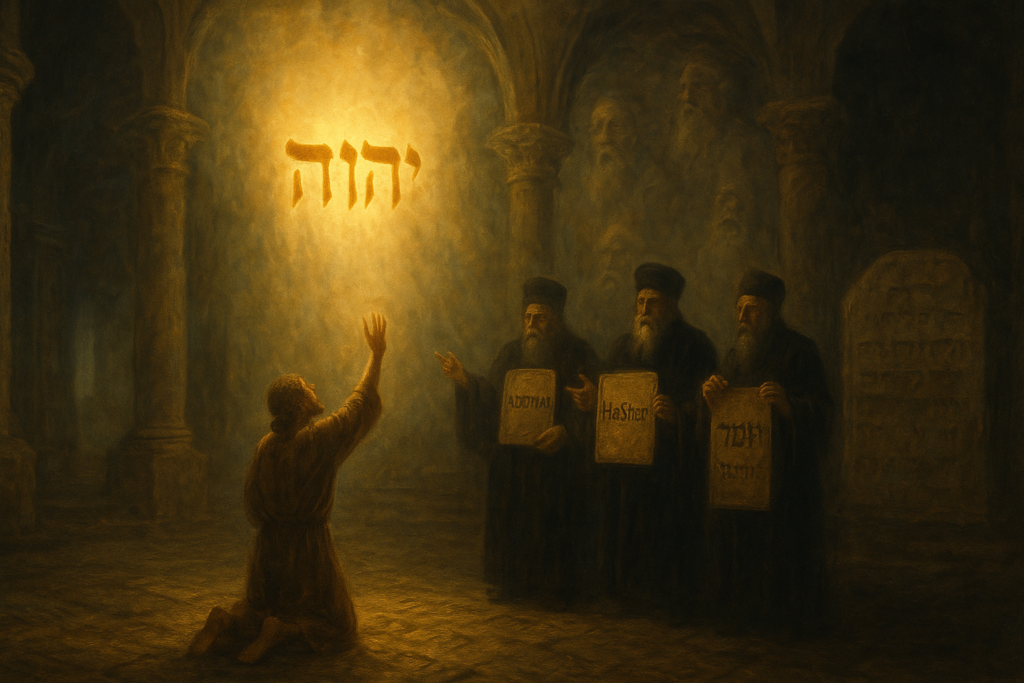
Jewish rabbis and Muslim scholars have both expanded simple scriptural commands into overly complex systems, turning specific prohibitions like "don't cook a goat in its mother's milk" and straightforward four-step ablution into elaborate rituals with unnecessary additions beyond divine instruction.
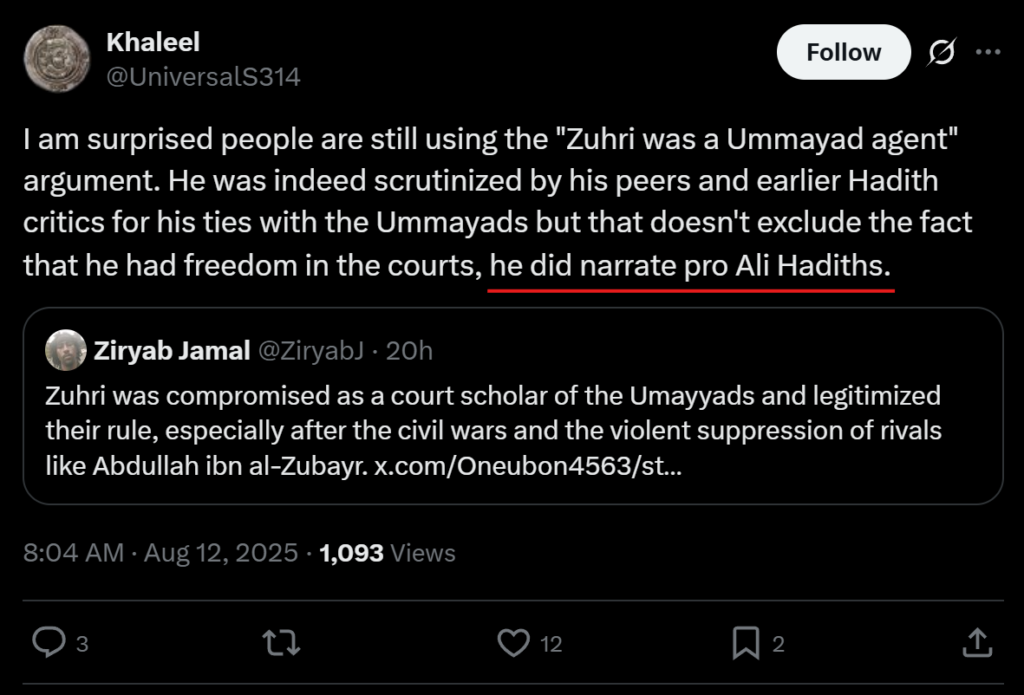
Sunni tradition idealizes al-Zuhri to protect vast hadith chains dependent on him, downplaying his decades of Umayyad service. Historical evidence and early Muslim critics reveal his political entanglements, notably promoting Jerusalem’s sanctity for state interests during ʿAbd al-Malik’s reign.
The article applies isnād criticism to 1 Corinthians 15:6, showing Paul’s “500 witnesses” claim is a single-source, unverifiable report. It exposes the evidential weakness, highlighting a double standard in Christian critiques of Islamic hadith methodology.
Al-Shāfiʿī argues that accepting solitary hadith is justified by analogy to Quranic cases requiring ijtihād. The article refutes this, showing that applying divine law differs fundamentally from adding new, extra-Quranic legislation.
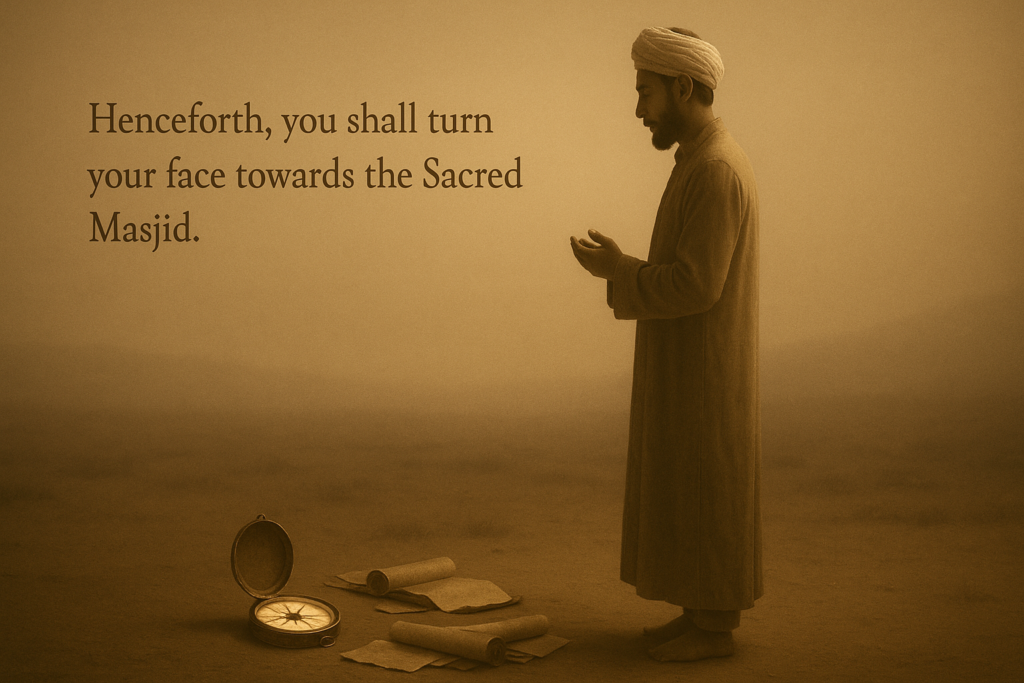
The Quran assumes core worship practices like prayer and fasting were inherited traditions, not newly invented rituals. Early scholars acknowledged established communal practice as authoritative, showing that hadith isn’t needed to know fundamental rites.
Dr. Shadee Elmasry distorts and misrepresents the Western epistemology of hadith by building strawman arguments, projecting colonialist motives, and dismissing critical method. This article rebuts his claims point-by-point using traditional hadith grading and accurate historical context.
A Quran-alone critique of Imam al-Shāfiʿī’s Kitāb Jāmiʿ al-ʿIlm, arguing the debate with a so-called Quranist was staged to reinforce hadith-based jurisprudence rather than engage a genuine opponent.
Dirār ibn ʿAmr al-Ghaṭṭāfānī (d. ca. 845/220 AH) was a Basran judge known for “radical” rationalist views. In his Kitāb al-Taḥrīsh (“Book of Instigation/Agitation”), he criticizes the misuse of Prophetic traditions (ḥadīth) by rival sects. He argues that such narratives have torn the Muslim community apart. He blames jurists and partisans for inventing or selectively […]
The Quranic verse 4:3 establishes polygamy as a conditional social welfare mechanism for orphan care, not a general marital right. Linguistic analysis reveals the Arabic conjunction "وَإِنْ" creates prerequisite conditions, restricting polygamous permission to specific circumstances involving vulnerable children's protection.
22:15 has been mistranslated and misunderstood for centuries, with scholars wrongly interpreting it as commanding suicide. This contradicts fundamental Quranic principles and requires reexamination through consistent Quranic methodology.
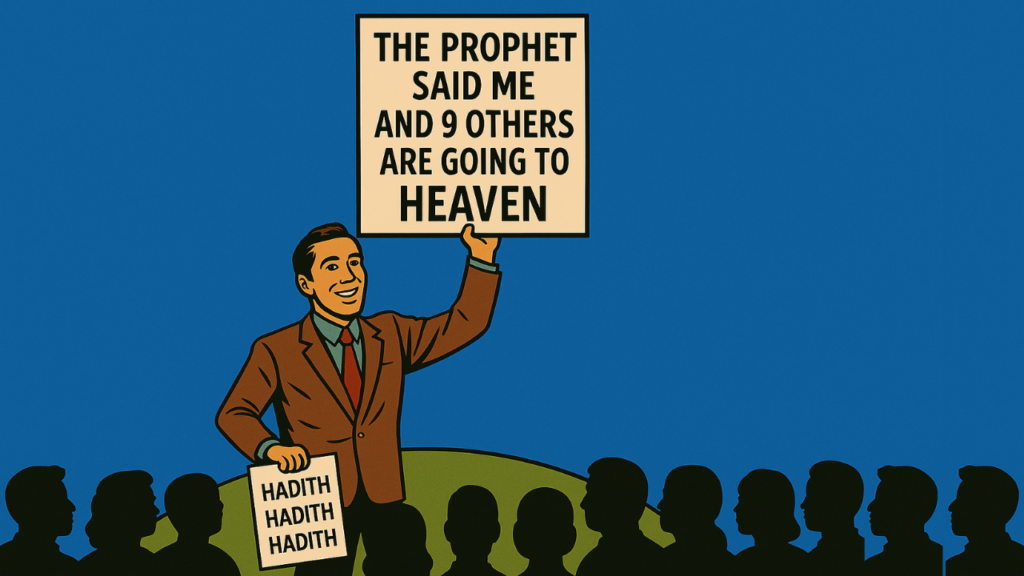
This analysis argues the hadith listing ten companions guaranteed Paradise is a constructed tradition. Primarily traced to Saʿid ibn Zayd and reinforced by Humayd ibn ʿAbd al-Rahman, it reflects political motives, self-interest, and inconsistent transmission.
The companions of the Prophet disagreed on core issues like temporary marriage, proving that “consensus” was a later invention. Hadith is conjecture; only the Quran (fully detailed and mathematically preserved) provides absolute certainty and divine guidance.
Bukhari’s famed “proven meeting” criterion is often seen as a hallmark of hadith authenticity. Yet it relies on unverifiable assumptions, logical fallacies, and easily fabricated claims; offering the illusion of rigor while failing to genuinely prove transmission ever occurred.
Quran-centrism creates an impossible theological choice: either falsely attribute unverified statements to the Prophet Muhammad (a serious religious offense), or admit you're just collecting inspirational quotes while calling them "hadith." Both options undermine the methodology's credibility and intellectual honesty.
This analysis examines how Bukhari accepted Aisha's detailed narration of Prophet Muhammad's first revelation despite her not being born when it occurred, revealing critical inconsistencies in hadith authentication standards and challenging assumptions about Sahih al-Bukhari's methodological rigor.
Ibn Taymiyah's claims of inherent Arab racial superiority directly contradict the Quran's clear emphasis on equality based on righteousness alone. This contradiction challenges Muslims to prioritize Quranic principles over even respected scholarly opinions that reflect historical biases rather than divine guidance.
The article argues that verses 9:128-129 were added to the Quran during Uthman's compilation based on weak testimony, transmitted by al-Zuhri, whose political ties and manuscript destruction raise serious doubts about their authenticity.
Hadith cannot be classified as "wahi" (divine revelation) because they are not verbatim accounts of the Prophet's words. Instead, hadith transmission involves paraphrasing, leading to textual variations that undermine their divine status.
Imam Malik critically viewed Ikrima as an unreliable hadith narrator, citing theological deviance and questionable scholarly integrity, despite Ikrima being celebrated by some as an "ocean of knowledge" in Islamic scholarly circles.
We explore how Al-A'mash fabricated an anti-mourning hadith to delegitimize Shi'a practices after Karbala. Analysis of transmission chains reveals his role as the true originator, with Sufyan creating false isnads to enhance the hadith's perceived authenticity.
‘Ikrimah’s Kharijite leanings influenced his transmission of hadiths advocating immediate execution for apostates, shaping later Islamic jurisprudence. Imam Malik, however, adopted a more lenient stance based on a weakly transmitted narration from Umar, raising doubts about its authenticity and historical accuracy.
Hadith compilations were shaped (in-part) by political power, with rulers enforcing "official" teachings and punishing dissenting scholars. This led to censorship and selective transmission, casting doubt on hadith reliability as political agendas influenced what was preserved and what was suppressed.
This blog critically examines hadith narrations about the Prophet identifying hypocrites, analyzing their transmission chains and historical reliability. It explores their apparent contradiction with 9:101 and the issue with its transmission history.
The hadith—"The merciful are shown mercy by the Most Merciful..."—closely mirrors Shabbat 151b:14 in the Talmud. Given 7th/8th-century Arabia’s Jewish presence and oral transmission, it is highly plausible the hadith was adapted from this earlier Talmudic teaching.
This blog reveals how we uncovered Al-A'mash's deliberate practice of taking hadith directly from Hisham ibn Urwa while fabricating alternative chains of transmission. The bewitchment narrative serves as definitive proof of this systematic manipulation, exposing significant flaws in hadith transmission that traditional criticism missed.
The hadith appears to be a fabricated narrative designed to encourage Ayat al-Kursi recitation, leveraging a supernatural encounter to motivate spiritual practice through a potentially invented transmission chain.
There's a legal ruling provided by many Islamic Ulema, that women are prohibited from praying during menstruation. The Quran provides ZERO backing for this. We discover that the source of this satanic innovation was Hisham ibn Urwa - & he costed roughly the loss of 13,975 prayers PER Muslim woman.
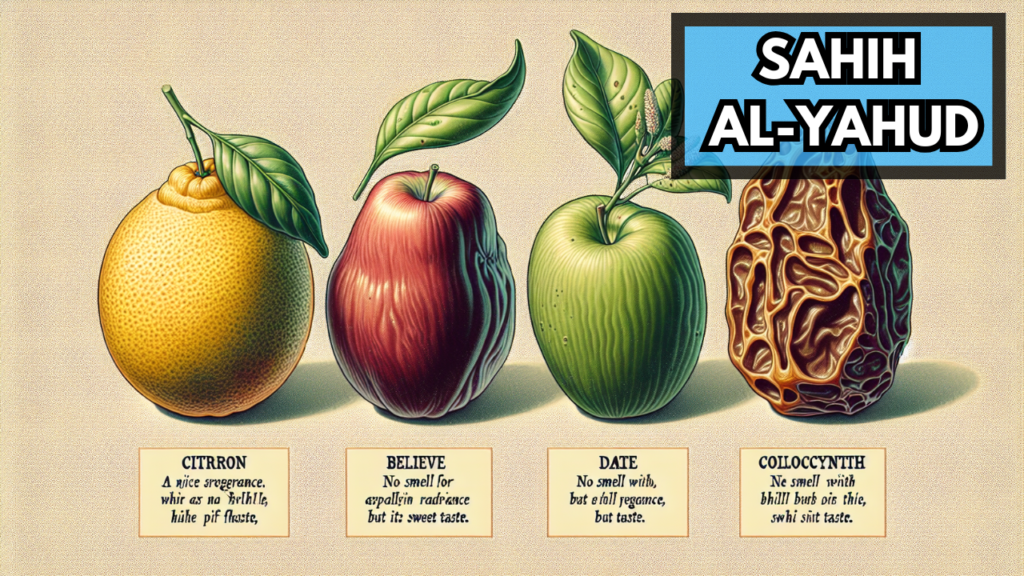
Jewish fruit allegory traveled from Talmudic sources through Ibn Mas'ud's companion, before Qatada elevated it to prophetic status, fabricating chains of transmission and creating multiple attestations to legitimize the borrowed wisdom.
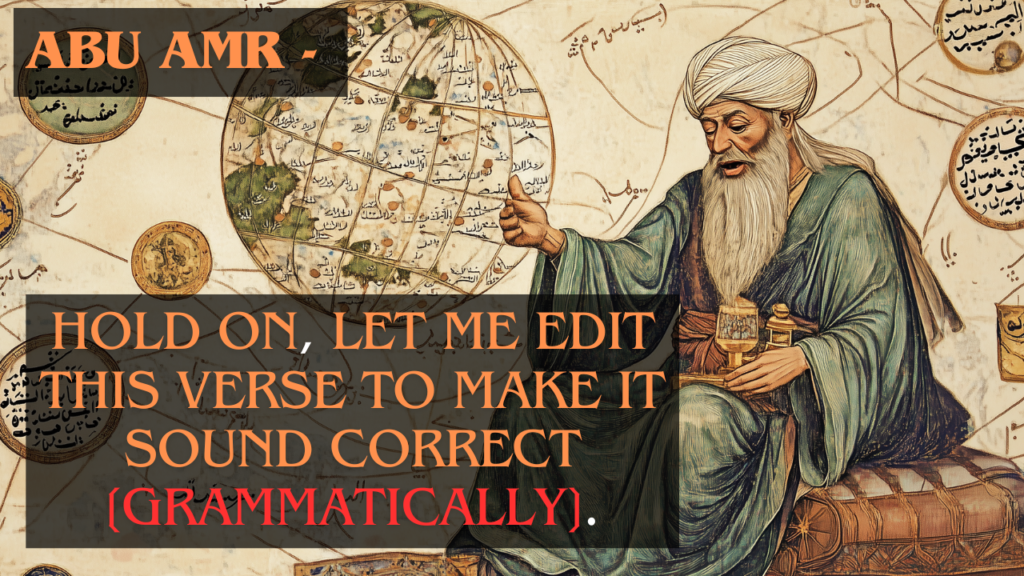
Evidence shows that the so-called canonical Quran transmitter, Abū ʿAmr, deliberately altered the divine Quranic recitation to "correct" what he perceived as grammatical mistakes. Al-Ṭabarī outright rejected readings that were later declared divine—effectively branding one of Islam’s most esteemed scholars a kāfir.
FAZ attempts to refute a muslim convert that came out and rejected hadith. He utterly fails to provide clear evidence against hadith rejection and is constantly refuted by the Quran and Sunni tradition.
A famous Islamic hadith prophecy about conquering Constantinople, long attributed to Mehmed II's 1453 victory, originated as motivational propaganda during an earlier failed Umayyad siege in 717 CE.
This refutation highlights that Muhammad, while chosen as a messenger of God, was not granted knowledge of the unseen, particularly future events, in-line with 7:188, and 46:9.
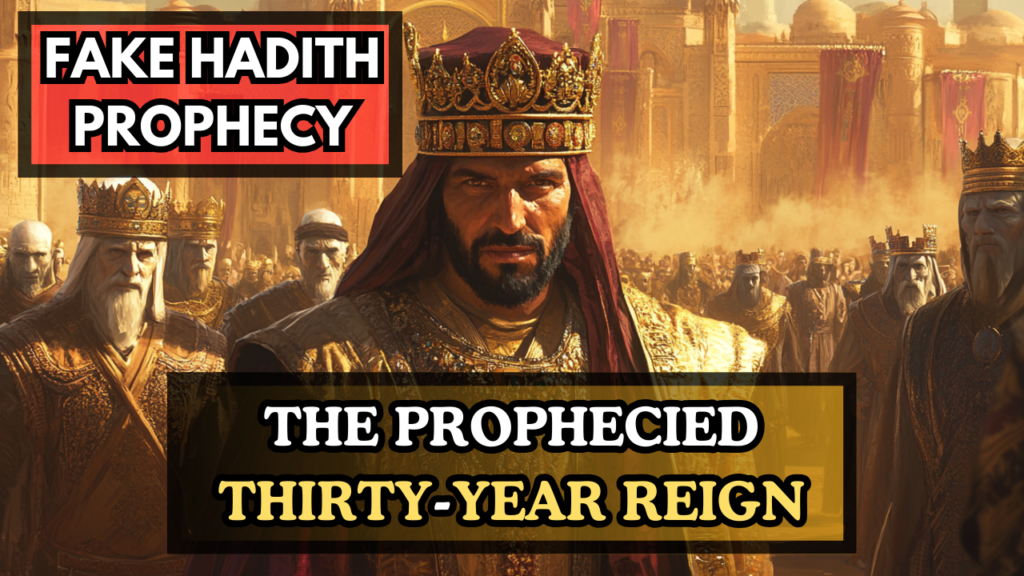
The alleged prophecy of a thirty-year caliphate followed by monarchy emerges from a hadith whose sole transmitter, Sa'id ibn Juhman, was extensively criticized by classical scholars, undermining its authenticity.
Awf ibn Malik likely fabricated the hadith, using his firsthand experiences, long life, and esteemed status to retroactively align personal observations with events, presenting them as prophetic predictions.
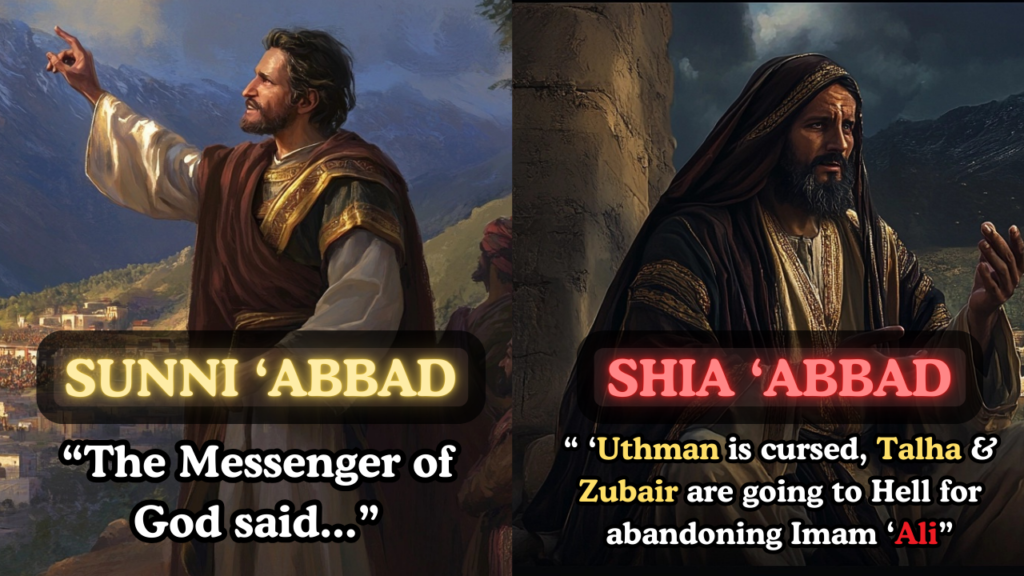
ʿAbbād ibn Yaʿqūb led a double life, appearing as a trustworthy Sunni narrator while secretly holding and transmitting Twelver Shi'i beliefs, raising serious questions about early hadith collection methodology's reliability.
The emergence of Abu Hanifa musnads and other collections primarily in the fourth/tenth century, well over a century after Abu Hanifa's death (d. 150/767), further weakens the idea that he left anything behind.
This fabricated hadith claims that the idol of Daus would reemerge near the end of times. However, we find that this prophecy was later back-projected onto the Prophet by Ibn Shihab Al-Zuhri.
Apologists claim that the hadith represents divine revelation due to the prophetic nature of certain narratives within the corpus. This article refutes the prophecy regarding the afflictions that were allegedly foretold after the predicted murder of Umar ibn al-Khattab.
A fabricated hadith prophecy about Arabia turning back to a land of meadows and rivers. This is part of a series of debunking 'prophecies' found within the hadith corpus.
Self-Proclaimed Sunni Historian on X challenges anyone: 'Show me one Rafidi Shia in the chains of al-Bukhari!' Well sir, here's a mini-compilation.
Apologists claim the hadith corpus contains prophecies proving its divine nature. Examining the hadith of 'The Siege of Baghdad' reveals it as an ex eventu fabrication (and nothing to do with Baghdad), made to appear as a legitimate prophecy.
Apologists claim the hadith corpus contains prophecies proving its divine nature. Examining the hadith of the Hijazi fire reveals it as an ex eventu fabrication made to appear as a legitimate prophecy.
Judaism, Christianity, and Islam all maintain chains of transmission to preserve teachings; Islam isn't unique. However, Judaism and Christianity emphasize scholarly rigor, whereas Islam's inclusivity allows transmission of slaves and non-natives.
The black banner hadith, initially used by the Abbasids as propaganda to legitimize their uprising against the Umayyads, later inspired terrorist groups like ISIS, who now use this fabricated hadith for their own religious legitimacy and claims.
Hisham ibn Urwah fabricated the bewitching hadith in Medina to defend the Prophet’s divine protection, later altering it in Kufa with a false isnad, solidifying its place in later hadith collections.
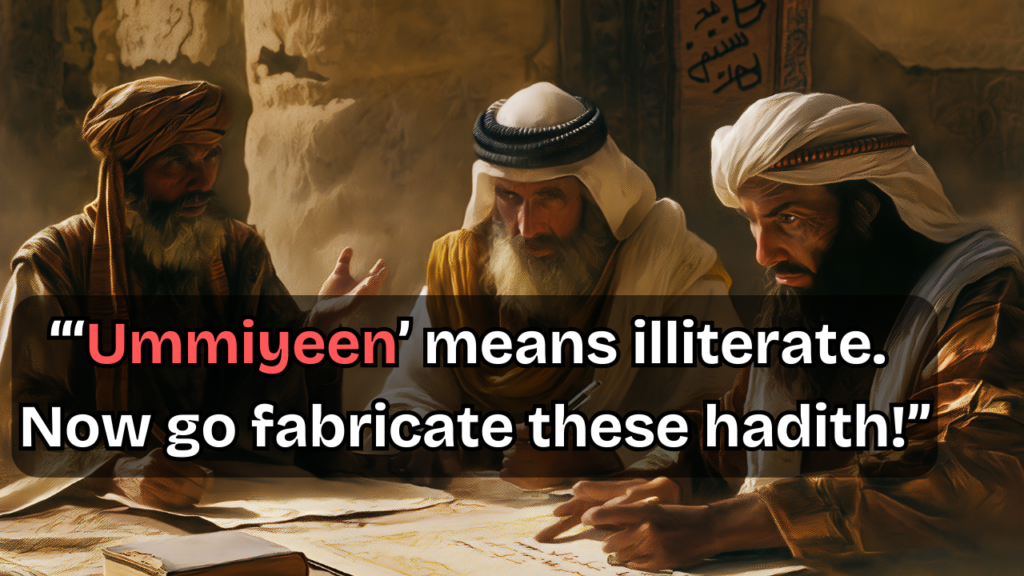
This post analyzes the incorrect use of "Ummiyeen" in hadith, showing how fabricators like Asim misinterpreted the term to mean "illiterate" instead of "gentile," creating historical and linguistic inconsistencies.
The history of hadith transmission includes instances of narrators manipulating texts to enforce practices not commanded by the Prophet, exemplified by Qays ibn Talq's narration on women's obligations.
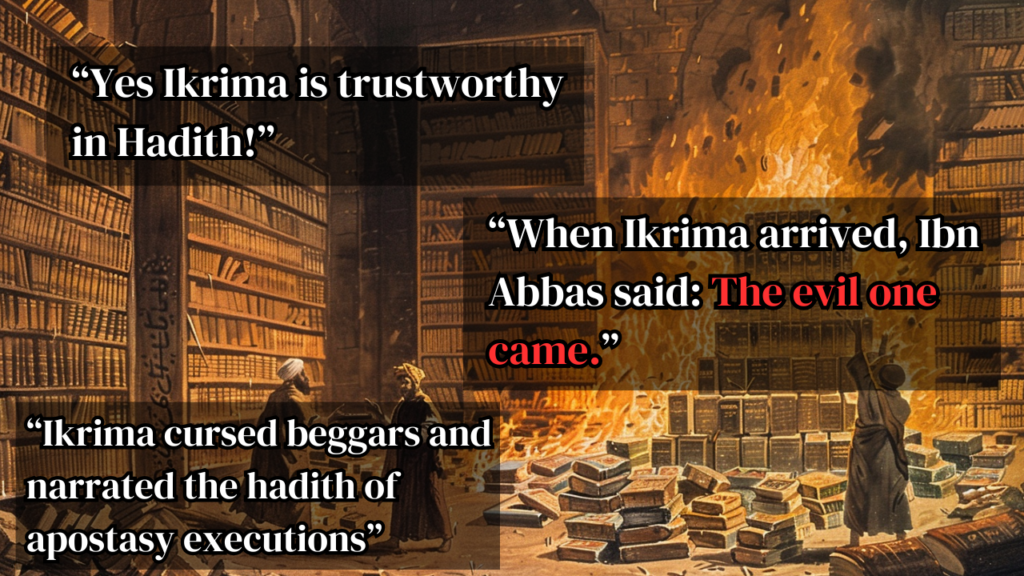
ʿIkrimah, a scholar of Quran and jurisprudence, faced mixed reviews for his character. Despite some regarding him as trustworthy, numerous criticisms, including accusations of lying and extreme behavior, question his reliability as a hadith narrator.
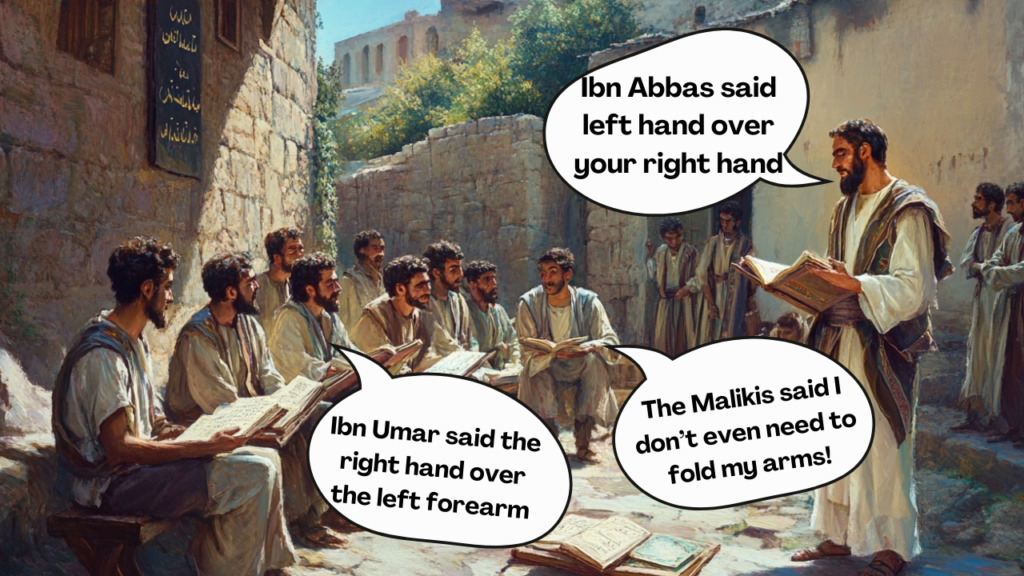
This article argues that the Muwatta of Imam Malik does not provide a complete guide to prayer, emphasizing that Muslims learned prayer through communal practices, not through hadith collections.
The hadiths regarding the Mahdi emphasize his lineage from Prophet Muhammad's family, asserting he will bring justice, reflecting Kaysaniyya movement's political aspirations post-Husayn's death.
The hadith discusses a Mahdi expected to restore justice, linked to Muhammad ibn Abdullah. Its transmission is questionable, primarily traced to ʿĀṣim ibn Abū al-Najūd.
The article examines the Salafi rejection of Tawassul and Istighatha, contrasting it with Sunni scholarly consensus that endorses these practices, revealing contradictions in Salafi theology.
Prophet Muhammad's mission emphasized pure monotheism, challenging Quraysh's idol worship. Despite Quranic teachings, notable Sunni scholars endorsed intermediary practices, conflicting with monotheism's essence.
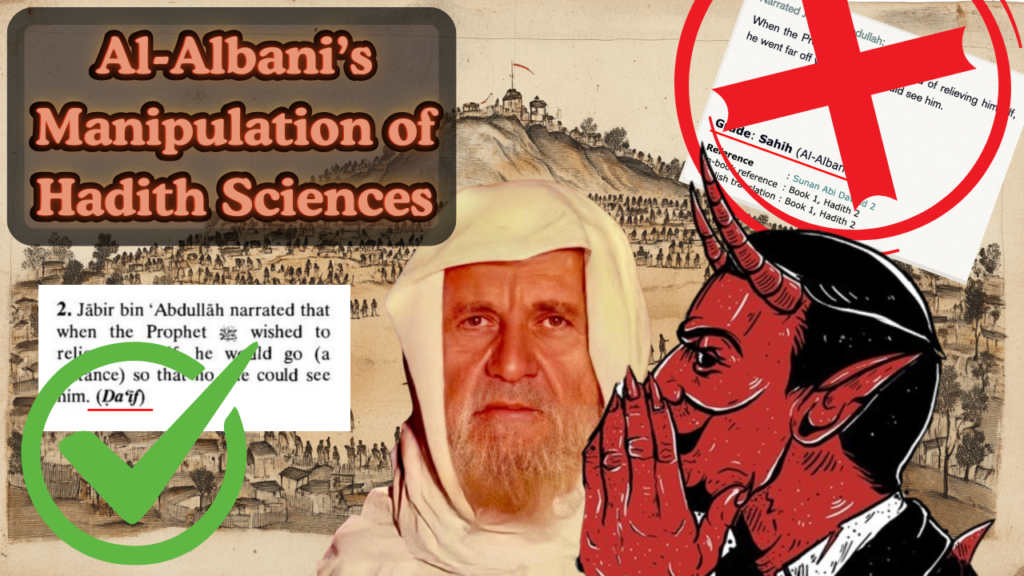
This narration has long been controversial, not only due to its ethical implications but also because of potential issues within its transmission. This article examines the authenticity and implications of this hadith, drawing on historical analysis of its transmission (isnad) and the cultural context in which it might have originated.
The website alalbany.org is the official page of the Imam Al-Albani Center for Studies and Research, dedicated to the work and legacy of Shaykh Muhammad Nasir al-Din al-Albani, a prominent Islamic scholar known for his contributions to hadith studies. The site offers resources on al-Albani’s works, scholarly articles, research, and educational programs related to Islamic […]
The splitting of the moon (Surah Al-Qamar, 54:1) is widely regarded as a miracle performed by Prophet Muhammad. This article critically assesses the historicity of this narrative by examining the reliability of the hadith chains of transmission (isnads), historical context, and scientific plausibility.
The Satanic Verses in Early Islamic Narratives: An Analysis of Historical Transmission The story of the Satanic Verses is one of the most controversial episodes in early Islamic history. It revolves around an alleged moment when the Prophet Muhammad recited verses acknowledging the pagan goddesses of the Quraysh, only to later retract them as the […]
hether through direct influence, shared oral tradition, or common biblical inspiration, the stories of Caedmon and Muhammad’s divine callings highlight the universality of religious experiences across cultures.
How Long Did The Prophet Stay In Mecca After Receiving Prophethood? This answer should be easy to answer. We take the date of the migration (632) and subtract it from the year the Prophet became 40 (610). We would get 12 years. When we look to the hadith corpus, we get wildly different answers.
Hadith states Angel Gabriel has 600 wings in exegesis of surah 53. The Quran has a different answer.
‘RAGS TO RICHES’ THE BEDOUINS PROPHECY A common trope that adherents to hadith like to cling on to, is the idea that the Sunni hadith corpus contains prophecies about future events. One of these prophecies is elaborated on by an article written by one of these hadith-adherents, ‘Proving Islam’. The following will go through these […]

The Dajjal, an intriguing figure in Islamic eschatology, symbolizes deception and chaos before the Day of Judgment, paralleling the Christian Antichrist through vivid hadith narratives and apocalyptic themes.
The weak narration from Sunnan Abi Dawud describes events preceding the arrival of Imam Mahdi, but it is considered fabricated by Sunni scholars linked to historical conflicts among early Islamic factions.
One of the central concepts within Islamic eschatology is the belief in the second coming of Jesus Christ, known as Isa bin Maryam, at the end of times. This is a fabricated hadith prophecy.
Apostasy executions is a belief held by Sunni Muslims, based upon hadith narrated by Ikrima. When we look at ilm al rijal and hadith transmission, we uncover the truth of that narration.
Rigorous Quran-centered critiques of Hadith methodology. Published research examining the foundations of classical Islamic thought.
View All ResearchA deep examination of the theological and historical foundations of dual-source jurisprudence.
Read on Academia.eduRESEARCH-FOCUSED CONTENT